
Reference
Handymax
Geared, with more capacity. What it carries, how it is built and the limits that define the class.
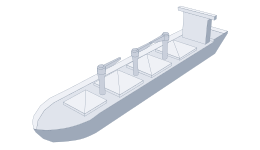
- Typical deadweight
- Typically about 40,000-49,999 DWT
- Length overall
- Commonly around 180-190 m
- Defining constraint
- Still gear-equipped for ports without shore cranes
- Cargo gear
- Geared, typically four cranes of about 30 tonnes
- Typical trade
- Worldwide
- Cargo holds
- 5
Size class names such as Handysize, Supramax and Capesize are commercial conventions rather than formal standards, and the deadweight bands attached to them vary between brokers, exchanges and shipowners. The canal and berth limits quoted below are published dimensions and are exact; the deadweight ranges are indicative.
About Handymax vessels
A step up from Handysize, keeping the cranes and the port flexibility while carrying appreciably more cargo.
The standard fit is four deck cranes of roughly thirty tonnes, which is enough for grabs and for most break-bulk parcels. That combination of size and self-sufficiency suits the same minor bulk trades on longer routes.
In practice the Handymax name has largely given way to Supramax and Ultramax for new tonnage, as yards have built to the larger dimensions on the same basic concept.
What it carries
How it is built
- A single-deck hull divided into large cargo holds, closed by weathertight steel hatch covers that roll or fold clear for grab and conveyor work.
- Ballast tanks in the double bottom and in the topside and hopper wings, which shape the hold and let the cargo self-trim as it settles.
- Corrugated transverse bulkheads between holds, stiff enough to take the pressure of a dense cargo without intermediate framing inside the space.
- Machinery and accommodation aft, leaving the full forward length of the ship for cargo.
- On geared ships, deck cranes or derricks between the hatches so the vessel can work in ports with no shore equipment.
Why it is used
- The cheapest way to move a tonne of dry commodity, because the cargo needs no packaging, unitisation or securing.
- Loading and discharge rates are very high where shore equipment is good. Grabs, conveyors and shiploaders move thousands of tonnes an hour.
- Geared ships can trade almost anywhere, including ports with no cranes of their own.
- Hold arrangements are flexible enough to carry several parcels of different commodities on one voyage.
What to check before fixing
- Dense cargoes such as iron ore load the structure heavily and are subject to strict loading sequences to avoid overstressing the hull.
- Cargoes that can liquefy, such as some ore concentrates and fines, must be checked against their transportable moisture limit before loading.
- Draft and air draft govern which berths and waterways a ship can use, and both change with the season and the fresh-water allowance.
Track the ship as well as the box
Follow any vessel and its schedule, with live position, port calls and ETAs across the world fleet.