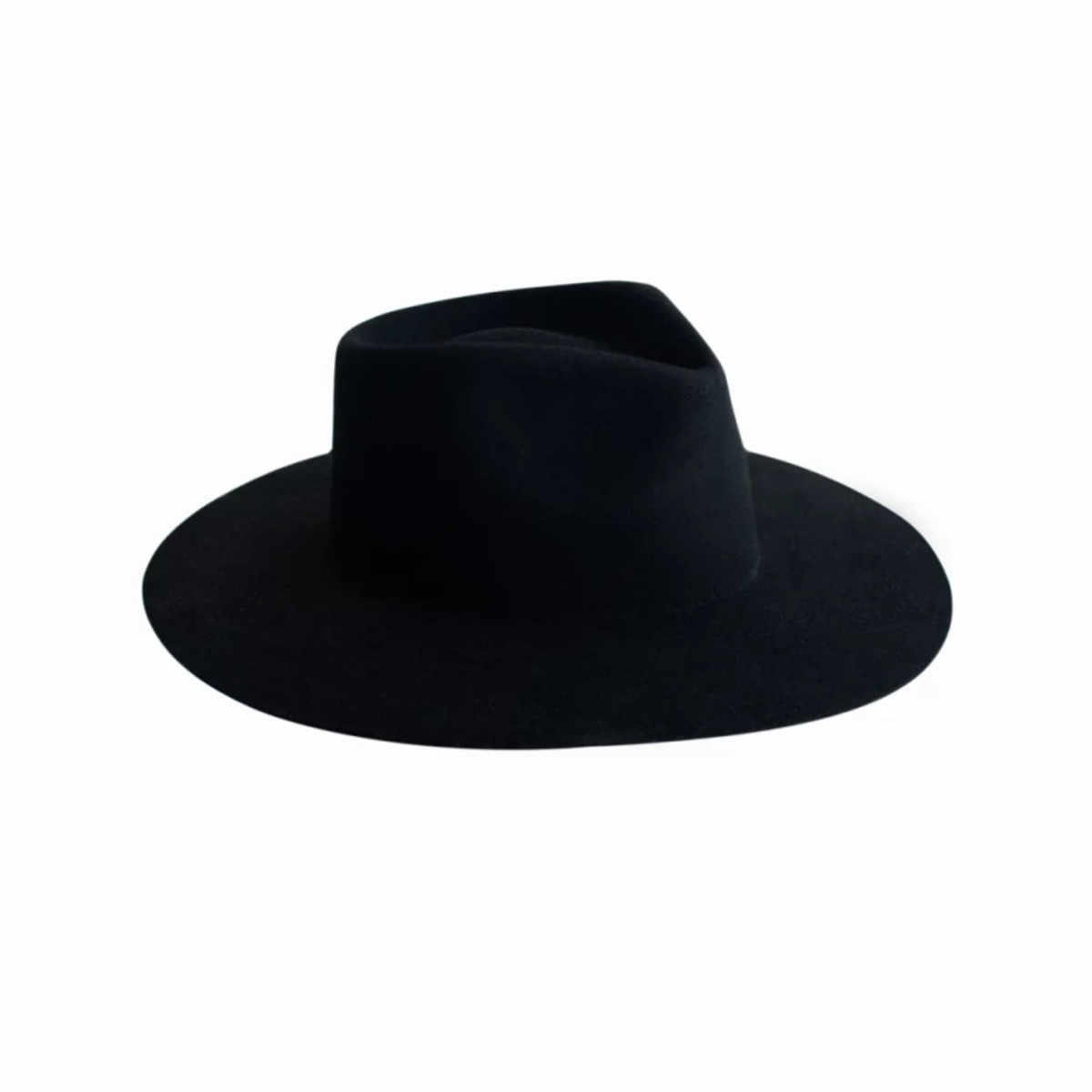
Lune
Hat Black
$120.00
Coming soon
No date. No shipment. No reason to wait.
Next week? Next season? Before the product has even been made? The label cannot say. Your customer cannot tell whether the item exists, whether it has shipped, or whether it will ever arrive.
Most stores write it in good faith. But a phrase that promises nothing gives a shopper nothing to decide on. So they wait, they forget, or they buy from someone who can answer the question.
Your goods are packed, loaded and moving. They are real, they are paid for, and they have a destination. Sell Inventory Before Arrival puts them on sale before they reach your warehouse, and shows your customer exactly why the date deserves their trust.
Packed, loaded, departed, transshipped. Each step the cargo has actually passed.
Who is moving it, with the carrier’s name and logo on the page.
Origin, transshipment ports and the port it is heading to.
The most recent milestone the carrier has confirmed, and when.
A forecast that updates as the shipment moves.
A stock label asks for trust. A moving shipment earns it.
When a shopper can see a real journey, uncertainty turns into a choice they can make with confidence: pre-order now, or come back on the day it lands. Either way, they know where they stand.
Linked Products is the mechanism behind Sell Inventory Before Arrival. It connects a product or SKU in your store to the specific shipment carrying it, using documents you already produce for every consignment.
Hat Black · SKU LN-HB-01
The item your customer is looking at.
Packing list PL-2291 · 240 units
Your document names the goods and the unit that carries them.
Container MSKU 4471290
A container, or a unit referenced by booking, bill of lading or air waybill.
Loaded · Departed · Transshipped
Live milestones reported by the carrier.
Tracking a container tells you where the container is. It does not tell you what is inside. Your packing list does. Linked Products keeps that line clear, so the shipment on your product page is the one that actually carries your goods.
The same product, the same page. One asks the shopper to guess. The other shows them where the item is, who is carrying it and when it is expected.
No date. No shipment. No reason to wait.
A real date. A real shipment. A reason to buy now.
 Maersk
Updated 2 hours ago from carrier data
 Shanghai
Origin · Aug 26
Singapore
Transshipment · Sep 3
Jebel Ali
ETA Sep 12
Current location
Arabian Sea
Shanghai
Origin · Aug 26
Singapore
Transshipment · Sep 3
Jebel Ali
ETA Sep 12
Current location
Arabian Sea
An ETA is a forecast. It moves when the vessel does, and the product page moves with it. Nothing is promised that the shipment cannot show.
Every status carries a timestamp. Shoppers see when the information was last updated, so nothing looks fresher than it is.
The customer knows what they are buying. An item in a named shipment, on its way to a named port, with a date that is honest about being an estimate.
A container can spend five weeks crossing an ocean. The goods inside are already bought, already committed and often already wanted. Yet on most storefronts they do not exist until someone scans them into the warehouse. That is weeks of demand with nowhere to go.
Launch the campaign when the goods ship, not when they land. Interest that would have cooled over a month becomes orders, while competitors are still writing “Coming soon”.
A pre-order backed by a live shipment is a decision, not a gamble. Shoppers commit when they can see the goods moving, and they ask fewer times where their order is.
When a vessel slips, the date on the page updates. Customers hear it from you with a new estimate, instead of discovering it after the promised day has passed.
You stay in control. You decide how many units to open for pre-order, when payment is taken and what the terms are. The shipment data comes from the carrier. The commercial rules stay yours.
Every imported product has a journey before it has a shelf. If it travels by sea or by air, with a packing list and a container, booking, bill of lading or air waybill behind it, it can be linked and sold before arrival.
Don’t tell customers
a product is coming.
Let them see it.
Link your first shipment and turn “Coming soon” into a date your customers can follow.